Make Them Pick a Different Shed: A Layered Security Plan for a Garden-Built Chop
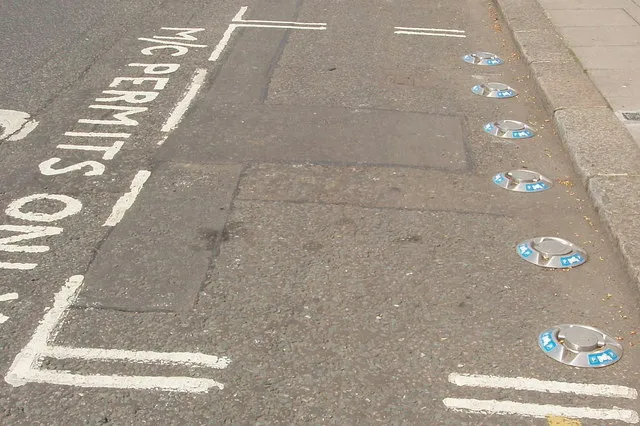
Photo: David Hawgood, CC BY-SA 2.0, via Wikimedia Commons
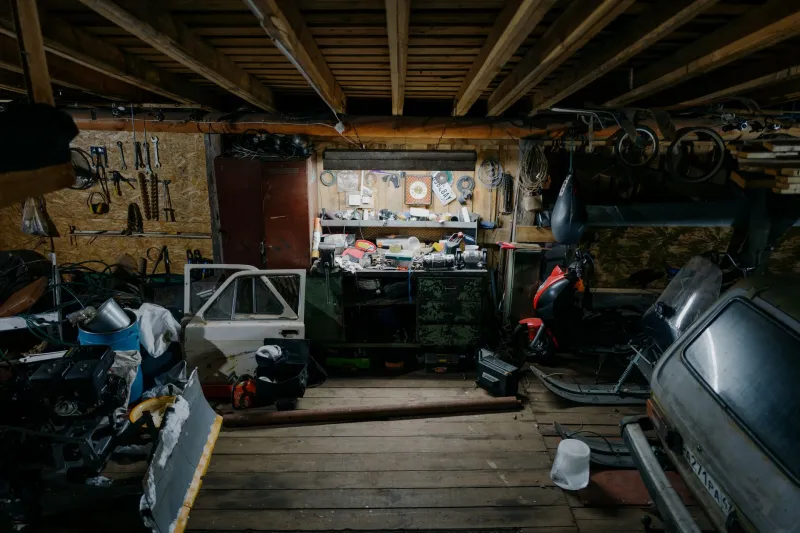
There is a particular kind of sickener that comes with walking to the shed on a Sunday morning and finding the door hanging open, the padlock cut, and a rectangle of clean concrete where your chop used to be. It is not just the bike. It is the winter nights, the skinned knuckles, the box of receipts, the half-finished bracket you were still arguing with. A shed-built chop is not a showroom asset. It is a pile of decisions you made in the cold, and losing it hurts in a way an insurance payout never quite fixes.
So let us talk security without the fantasy. No shed in Britain is a fortress. If a determined crew with a van, a grinder and no hurry wants what is inside, they can usually take it. The job is not to make your shed impenetrable. The job is to make it slower, noisier and more annoying than the shed three streets over. You are not building a vault. You are making them pick a different target.
Start with the door, not the disc lock
Most blokes spend £180 on a chain and then hang it off a B&Q padlock hasp screwed into a softwood door frame with 40mm screws. That is not security. That is decoration.
The shed door is the first real barrier, and it is usually the weakest. Fit a proper hasp and staple with coach bolts that go right through the frame, not short screws that pull out with a pry bar. Add a second lock if the door has room — a decent padlock at the top and another at the bottom makes levering far less convenient. If the door opens outward, hinge bolts are cheap and effective; if it opens inward, a door bar or a pair of heavy-duty Brenton bolts will do more than any sticker promising CCTV.
Do not ignore the sides and roof. A thief who cannot get through the door will happily peel a felt roof or kick out a flimsy panel. If your shed is old, patch the weak points before you buy another lock. A £15 tube of frame sealant and a few offcuts of timber can be more useful than a £70 chain.
A chain is only as good as what it is tied to
This is the bit that catches people out. A hardened chain looped around a wooden workbench is not anchored. It is a handle. A ground anchor bolted into a shed floor with rawl bolts into a thin concrete slab can be pulled out with a decent crowbar and a bad attitude.
If you are fitting an anchor, fit it properly. Drill deep, use chemical resin or long through-bolts, and put it where the bike sits naturally — not in a corner where the chain drags across the paint. A good anchor plus a decent chain turns a two-minute lift into a fifteen-minute fight. That matters.
Chain ratings are worth understanding. Sold Secure ratings are the ones most UK insurers recognise, and the differences between Bronze, Silver, Gold and Diamond are not marketing fluff — they reflect real attack testing. For a shed bike, aim for Gold or Diamond if the budget stretches. A thick, short chain is usually better than a long, thin one because there is less slack to swing a grinder into. And remember: a chain is only as strong as its weakest link, including the lock body. A bargain padlock on a Diamond chain is money wasted.
The angle-grinder reality
You will hear people say no chain stops an angle grinder. That is true in the same way that no lock stops a determined man with a van. But time, noise and sparks matter. A grinder crew wants to be in and out in minutes. A proper chain in a tight loop, anchored low, with the lock body off the ground, takes longer than a cable or a cheap U-lock. Add a disc lock on the front wheel and a second lock on the rear, and you have created a puzzle with three pieces instead of one. Most opportunistic thieves do not carry three grinders and a spare afternoon.
This is also where cheap deterrents earn their keep. A battery-powered shed alarm that shrieks when the door moves costs less than a tank of fuel. A motion-sensitive light is not a guarantee, but it makes a shed less appealing at 2am. Gravel, a squeaky gate, a neighbour who knows your bike — these are not products you can buy, but they are part of the stack.
What insurers actually care about in 2026
If you are insuring a modified chop, the conversation is rarely just about the chain. Insurers want to know where it lives, how it is secured, and whether the modifications have been declared. A shed is not automatically a problem, but a flimsy shed with no anchor and no approved lock may affect the premium or the excess. Some policies specify Sold Secure Gold as a minimum for theft cover. Some want a tracker. Some will ask for photos of the anchor and the shed.
Read the wording before you need it. If the policy says the bike must be locked to an immovable object with an approved device, a disc lock through the front wheel is not enough. If it says the shed must be locked, a padlock on the outside of a door that can be lifted off its hinges is not enough either. Keep receipts for locks and anchors. Photograph the setup. Insurers are not the enemy here — they are just easier to deal with when the paperwork is boring and complete.
Mark it, photograph it, shut up about it
Parts marking is dull and effective. Postcode your frame, your engine cases, your wheels and your expensive bits. Use a UV pen or a proper engraver. Take clear photos of the marks and keep them somewhere other than the phone you carry. If the bike is stolen, marked parts are harder to sell and easier to identify.
Then there is the social-media problem. We all do it: the new tank, the fresh paint, the shiny primary cover, the post that says “finally finished, she lives in the shed out back.” Thieves read those posts too. They see the layout of your garden, the make of your lock, the fact that you are away at a rally for the weekend. You do not need to be a ghost, but you do need to stop handing out a shopping list. Delay the photos. Keep the location vague. Do not post your security setup in detail. And if you are selling parts online, do not photograph them in front of an open shed with your chop in the background.
A realistic nightly routine
Security is mostly habit. Chain the bike to the anchor, disc lock on the front, cover over the top. Lock the shed, check the hasp, put the alarm on. It takes ninety seconds. The night you cannot be bothered is the night the odds shift.
You will never make a garden shed into a fortress. But you can make it a poor bet. Layer the cheap stuff around the expensive stuff, keep the paperwork straight, and make your shed the one that takes too long, makes too much noise and offers too little reward. That is not paranoia. That is just good workshop practice.