Pillion-Ready or Pillion-Pretend? The Hardtail Two-Up Reality Check

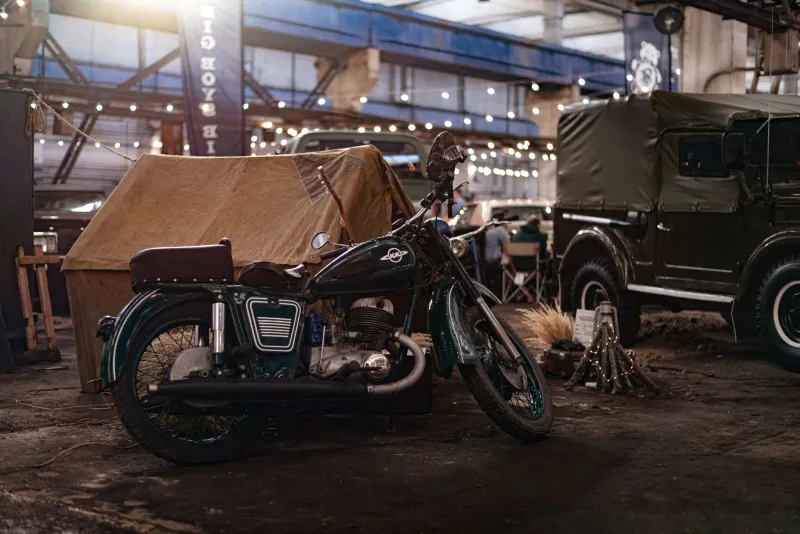
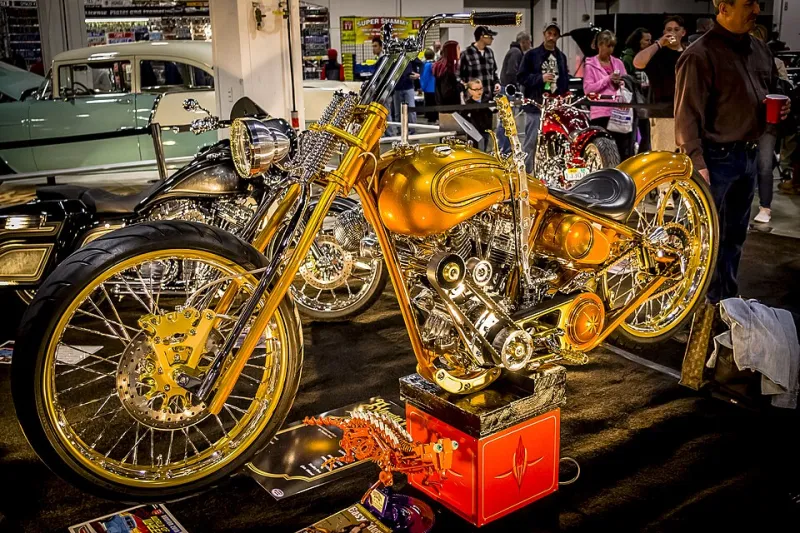
Photo: custom hardtail chopper motorcycle pillion seat sissy bar UK workshop, via thesbcommunity.com
Start With the Frame, Not the Romance
A hardtail carrying a passenger is not impossible. It is also not automatic. The romantic version — a mate perched on a tea-towel-sized pad while you blip through town — ignores the fact that a pillion adds real load to a frame, a seat base, a pair of peg mounts and a rear tyre. On a rigid chop, there is no suspension to hide the lie. Every bump goes somewhere. If the build was never intended for two, that somewhere is usually your spine, your mate's spine, or a cracked mudguard bracket.
Start by asking the builder the boring question: was this rear loop and subframe designed for a passenger? A stock frame that has been hardtailed with care is one thing. A shed-built frame with thin tube, pretty welds and no gusseting is another. A passenger is not a bag of shopping. They move, they shift weight, they put a boot down at a junction and they lean the wrong way at exactly the wrong moment. The frame needs to be stiff enough to take that without flexing like a cheap spanner.
The Seat Has to Be a Seat
A pillion pad is not a decorative cushion. It needs a proper base, proper foam and proper fixings. We have all seen the suction-cup job from an autojumble. It looks fine until the first roundabout. Bolt the pad through a solid seat base using large washers and nyloc nuts, or use a properly engineered quick-release system. If the pad is held on by hope and a bungee, it is not a pillion seat. It is a projectile.
Thickness matters, too. Twenty millimetres of dense foam might look clean on a show bike, but on a hardtail it will feel like sitting on a baking tray after twenty minutes. A decent pillion pad should spread load, not concentrate it on two square inches of tailbone. It should also be wide enough that your passenger is not balancing on a plank. Grippy covering helps. So does a shape that stops them sliding forward into you every time you brake.
Pegs, Pipes and Boots
Pillion pegs are where many two-up chops fall apart. The mounts need to be welded or bolted to something structural, not clamped to a bit of frame tube because it was handy. The pegs should sit so your passenger can actually brace against acceleration and braking. Too high and their knees are round their ears. Too far forward and they are doing a squat. Too close to the pipes and they are playing a game of heat-shield roulette.
Check chain and belt clearance with a boot in place. A passenger's heel can wander. On a right-side chain conversion, that means the chain guard is not optional decoration. It is there to stop a lace, a strap or a boot from being pulled into the sprocket. Exhaust routing deserves the same honesty. A high pipe might look brilliant in a photo, but if it cooks your passenger's inner calf at every set of traffic lights, the bike is not pillion-ready. It is pillion-pretend.
The Sissy Bar Is Not a Roll Cage
A sissy bar can give a passenger confidence, and confidence matters. But a tall bar bolted to a thin mudguard is a lever, not a backrest. Under load it will flex, fatigue and eventually crack something. Proper bracing — triangulated back to the frame or axle area — is what turns a cosmetic hoop into a usable backrest. If the bar wobbles when you shake it by hand, it will not do much when your mate leans back on it at seventy.
A grab rail can be a better answer than a tall sissy bar on some builds. So can a low, well-padded backrest that supports the base of the spine rather than towering over the passenger's head. Whatever you fit, make sure it does not interfere with the rear light, the number plate or the mudguard's movement. And do not use the sissy bar as a tie-down point for a loaded trip unless it was built for that, too.
Chain, Tyre and Load Realities
A hardtail does not have a rear shock to sag, but load still matters. Check the rear tyre's load rating and run sensible pressures for two-up riding. A wide rear tyre looks tough, but if it is near its limit with a passenger on board, it will feel vague and wear strangely. Check chain tension and alignment with the bike loaded, not just on the sidestand. Look for clearance between the tyre, the mudguard and any luggage. A passenger's weight can change how the bike sits on the road, even with a rigid rear end.
Brakes deserve a mention, too. A chop with a single small front disc and a hardtail rear can be fine solo. Two-up is a different question. You are asking more of the front tyre, the fork springs and your own judgment. If the brake feels wooden or the lever comes back to the bar, sort it before you take a passenger anywhere.
The UK Paperwork Bit
In the UK, a pillion passenger must sit astride a proper seat and use proper footrests. They need a helmet. The rider needs a full licence — learner riders cannot carry a pillion. Insurance should cover passenger liability, but check your policy rather than assuming. If your chop is MoT-exempt as a historic vehicle, it still has to be roadworthy, and that includes the seat and pegs being secure. A bent number plate or a rear light hidden by a passenger is not a clever custom detail. It is an invitation for a chat with the police.
The Honest Test Ride
Before you commit to a Sunday run, do a short, low-speed test with your passenger. Practise pulling away, braking and a U-turn in an empty car park. Agree a signal for 'slow down' and 'stop'. Tell them to lean with you, not against you, and to keep their feet on the pegs until you say otherwise. If the bike feels vague, if the pad shifts, if the pegs flex or if your passenger looks like they are perched on a fence, stop. A hardtail can carry a mate. But it has to be built to do it, not just photographed doing it.
Some chops are solo bikes, and that is fine. A small seat, no pillion pegs and a high pipe is a honest build choice. The mistake is bolting on a pad and pegs from an internet auction and calling it a two-up machine. If the answer is no, say no. The pillion promise is worth more than that.