Cover Me Properly: Insuring a Modified Chop in 2026 Without the Call-Centre Nonsense
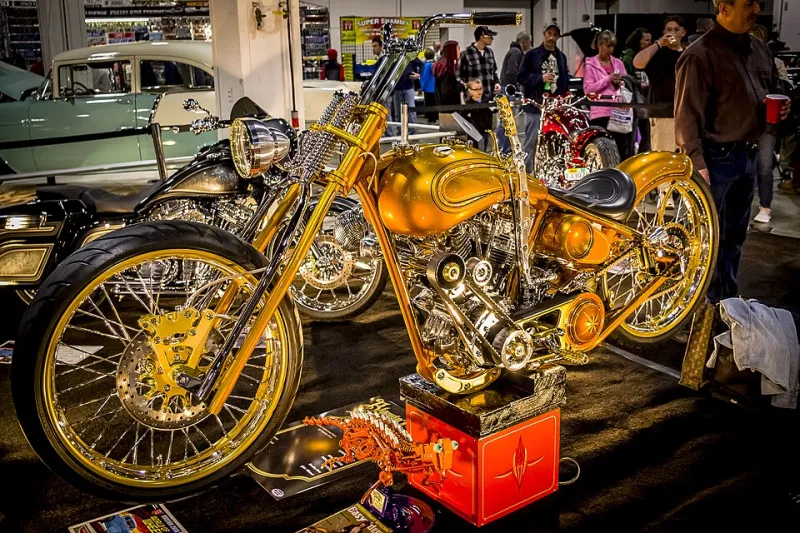
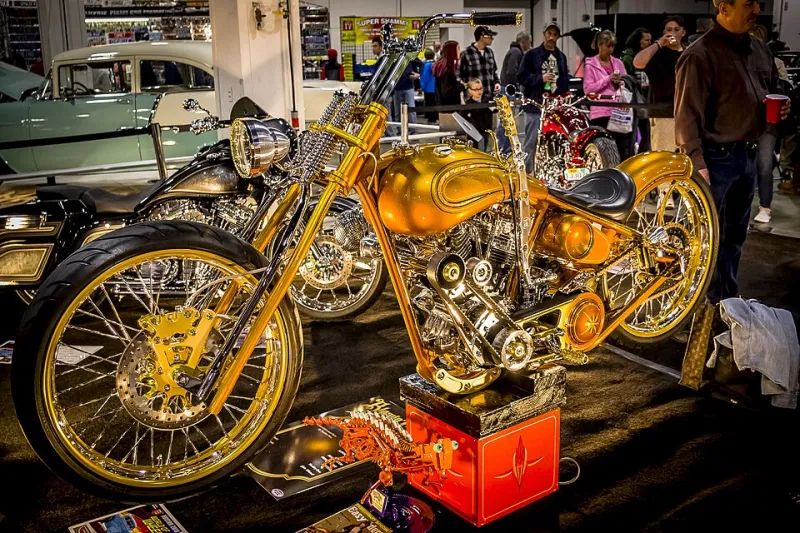
Photo: Bob P. B., CC BY 2.0, via Wikimedia Commons
The phone call that sinks a claim
You have built a chop. It has a modified frame, a non-standard tank, a rebuilt engine, a one-off seat and a paint job that cost more than your first car. You ring an insurer and the script asks: ‘Is the vehicle modified?’ You say yes. The next question is often a dropdown menu that does not include ‘hardtail, raked, custom everything’. You pick the nearest option, pay the premium and hope. That is how a claim goes wrong.
In 2026, insuring a modified chop in the UK is not impossible. It is just not a job for a comparison site and a distracted Tuesday lunchtime. You need to understand what you are buying, what you are declaring and what the insurer will actually pay if the worst happens.
Duty of fair presentation is not a slogan
The Insurance Act 2015 changed the rules. You have a duty to make a fair presentation of the risk. In plain English: tell the insurer everything a reasonable underwriter would want to know before they price the policy. Not just ‘modified’. What is modified, how, by whom and to what standard. If you have chopped the frame, say so. If you have changed the engine, say so. If the bike has a replacement frame, a modified headstock, a non-standard swingarm or a bespoke wiring loom, say so.
Do not assume the call handler knows what a hardtail is. Do not assume ‘custom’ covers everything. Ask them to read back the modifications they have recorded. Get it in writing by email. If the insurer will not confirm the details in writing, that is a warning sign.
Frame and engine changes: the big two
Frame changes are where modified chops get complicated. A raked or hardtailed frame is a structural change. Some insurers will cover it with an engineer’s report. Some will not touch it. A replacement frame brings its own questions: is it new? Is it a used frame with a V5C? Has the DVLA been notified? If the frame number does not match the V5C, do not pretend it is a paperwork error.
Engine changes matter too. A bigger engine, a different engine, a tuned engine, a turbo or supercharger, all of it needs declaring. So does a change of fuel system, brakes, wheels, suspension or exhaust if it materially affects the bike. The insurer is not being nosy for fun. They are pricing risk. If you hide the risk, you give them a reason to refuse a claim.
Agreed value versus market value
Market value is what the insurer thinks your bike was worth on the day it was stolen or written off. That is fine for a standard commuter. It is useless for a one-off chop. Agreed value is a figure you and the insurer agree at the start, based on evidence. That evidence usually means receipts, photographs, a build specification and sometimes an independent valuation or engineer’s report.
Agreed value policies are not a licence to invent a number. You need to justify it. Keep every receipt. Photograph the build as it progresses. Photograph the finished bike from every angle, including the frame number and engine number. Keep a build file. If you have spent £12,000 on parts and labour, you need to show where it went. A good specialist insurer will understand a bespoke build. A call-centre script will not.
Review the agreed value every year. Parts prices rise. Labour rises. Your bike changes. A policy that was right in 2024 may be light in 2026. Ask what the renewal figure is based on and update it if needed.
Engineer reports: when and why
An engineer’s report is not a magic certificate that makes any bike insurable. It is evidence. It usually covers the condition, construction and roadworthiness of a modified vehicle. For a heavily modified chop, it can help an underwriter understand what they are covering. It can also flag problems you need to fix before the bike goes on the road.
Ask the insurer what they actually want. Some want a report from a recognised engineer. Some want a valuation. Some want both. Do not commission a report and then assume it covers insurance. Check the wording. A report that says ‘well built’ is not the same as a report that confirms the frame geometry, welding and brake specification.
After a theft: the bit nobody wants to think about
If your chop is stolen, the claim is not just about the payout figure. It is about proof. Proof of ownership, proof of condition, proof of modifications and proof of value. This is why the build file matters. Photos, receipts, the V5C, the policy schedule, the agreed value confirmation. Keep copies away from the bike. A folder in the shed is no good if the shed goes with it.
Ask the insurer before you buy the policy: what happens if the bike is recovered damaged? What happens if it is not recovered? Do they pay the agreed value or market value? Is there a salvage retention option? What excess applies? Are there security requirements? Is the bike covered for commuting, touring or track use? If you ride it to a show in France, are you covered?
And be honest about where it lives. If it is kept in a locked garage, say so. If it is on a driveway under a cover, say so. If the garage is shared or the lock is not what the insurer expects, say so. A claim investigation will ask.
The practical checklist
- List every modification, including frame, engine, brakes, wheels, suspension, tank, seat, exhaust and electrics.
- Get the insurer to confirm the recorded modifications in writing.
- Keep receipts, photos and a build specification.
- Ask for agreed value, not market value, and justify the figure.
- Find out whether an engineer’s report or valuation is required.
- Check security, garaging, mileage, commuting and European cover.
- Review the policy every year and update the agreed value.
- If a call handler does not understand, ask for a specialist underwriter or go elsewhere.
Buy the right cover, not the cheapest script
A modified chop is not a standard bike. It is a collection of decisions, labour and parts that add up to something personal. Insurance is not the fun part of the build, but it is part of the build. Get it right, keep the paperwork straight and ride knowing that if the worst happens, you are covered for what the bike actually is. Not what a dropdown menu assumed.