Rigid, Not Reckless: A Hardtail Rider's Survival Plan for Britain's Broken Tarmac
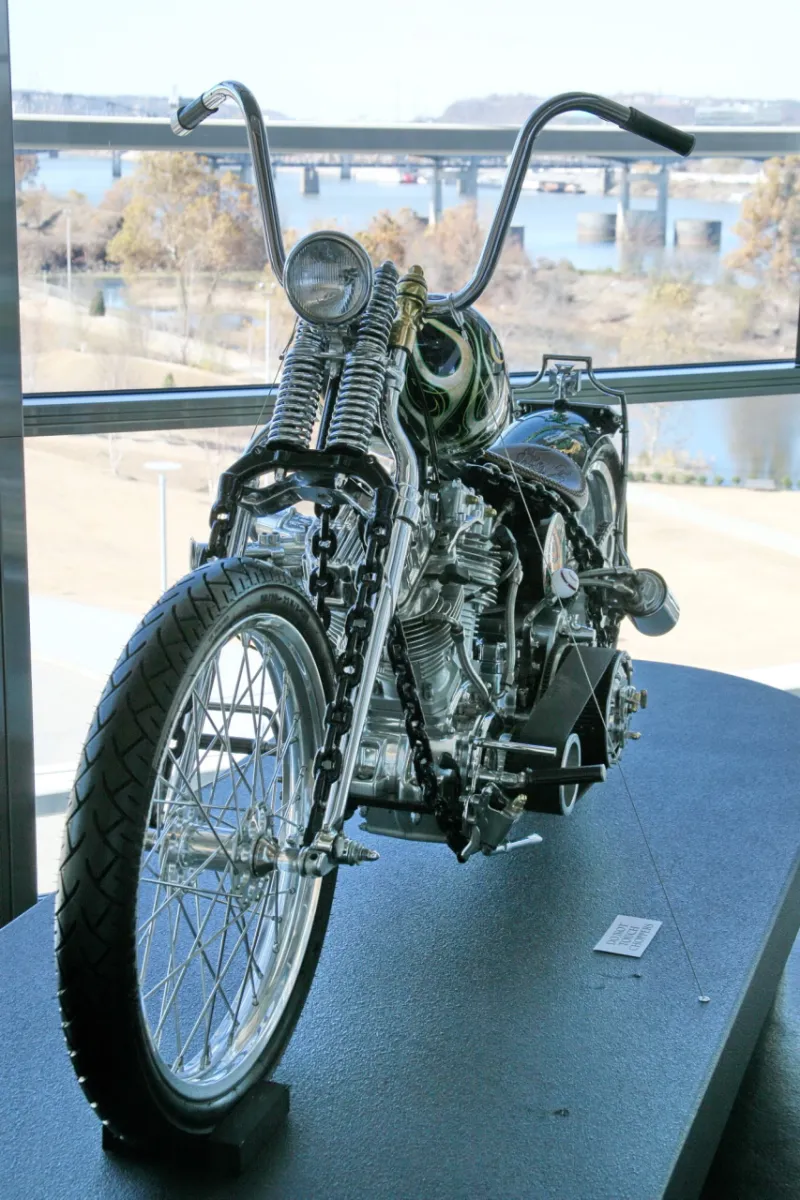
Photo: Cliff from I now live in Arlington, VA (Outside Washington DC), USA, CC BY 2.0, via Wikimedia Commons
Pothole season in the UK doesn't start in January and finish in March. It runs from the first proper frost to the last half-arsed patch job, and on a rigid chop it feels like it runs forever. Every scar in the tarmac goes straight up the frame, through the seat, and into your spine. That doesn't mean you park the build until spring. It means you ride with a bit more cunning.
A hardtail is honest. There's no rear shock to soften the message. The road tells you exactly what it thinks of your spine, your seat foam and your tyre choice. The good news is that you can make that conversation a lot less painful without turning your chop into a cosseted show bike.
Read the Road, Not the Satnav
On a rigid frame, looking ahead isn't a riding tip, it's survival. You need to scan 20 to 30 metres up the road, not the six feet in front of your front wheel. Watch for the tell-tale signs: dark patches after rain, gravel washed into the gutter, that odd smooth strip where a utility company has been at it, and the classic council calling card, a rectangle of fresh tarmac that sits proud of the old surface like a bad graft.
Don't just look at the hole. Look at the shape of the road around it. A pothole on the inside of a bend is a different problem to one on a straight. If you can't avoid it, hit it as square as you can with the bars straight, not leaned over and not with the front brake clamped on. Stand up slightly on the pegs, let your knees and elbows take the hit, and keep a loose grip. A death grip on the bars just transfers the jolt into your shoulders and neck. Let the bike move underneath you.
And don't grab a handful of front brake halfway across a crater. That's how you turn a bad road into a broken front rim and a long walk home.
Tyres, Pressures and the Case for a Little Give
A hardtail doesn't have much forgiveness built in, so the tyres have to do more work. That means decent sidewalls, sensible tread and a pressure that suits the road, not just the tyre wall's maximum. Overinflating a rear tyre to chase fuel economy or a crisp feel is a false economy on broken tarmac. It turns the tyre into a solid wheel and sends every edge straight into the frame.
Start with the manufacturer's recommended pressure for your bike and load, then experiment carefully. A small drop from your normal solo pressure can take the edge off without making the bike wallow. Don't go mad. A soft tyre that squirms in a fast bend is a different kind of accident waiting to happen. Check pressures cold, check them often, and don't trust the garage forecourt gauge that's been dropped twice and kicked once.
Width helps, too. A fat 16-inch rear with a reasonable sidewall will cope better than a skinny show tyre stretched over a wide rim. This isn't the place for fashion over function. If your chop is built around a hard, narrow rear, just accept that you need to ride accordingly.
Seat, Pegs and the Geometry of Discomfort
Your legs are the rear suspension on a rigid chop. If the pegs are so far forward that you can't put any weight through them, every bump goes straight into your tailbone. Forward controls look right on a lot of builds, but they're not always kind on a hardtail. Mid-controls or a set of pegs positioned so you can actually stand up and absorb a jolt will save your back on a long day.
Seat foam matters more than most riders admit. A razor-thin tray of foam over a metal pan looks hard as nails and feels worse. A slightly thicker saddle, a sprung seat or a rubber-mounted pan can make a huge difference without ruining the lines. If you're rebuilding the seat anyway, talk to a trimmer who understands rigid frames. They'll know where to put the give.
Also check the front end. Worn fork oil, tired springs and loose steering head bearings make every pothole feel worse than it is. A rigid rear doesn't mean the front can be neglected. If the forks are harsh or topping out, get them sorted. And check your bars and risers regularly. A hardtail vibrates and shocks everything more than a sprung bike, so fasteners need a proper look, not just a hopeful wiggle.
Route Craft: Planning Around the Patchwork
You don't have to ride the worst road just because it's the shortest. A few minutes with a map, a local bike group and a bit of common sense can save you a lot of grief. Motorways are boring but often smoother. Main A-roads are usually maintained better than forgotten B-roads, though not always. Country lanes can be beautiful and utterly brutal after a wet winter.
Ask locally. Councils publish road maintenance schedules and pothole reporting maps, and while they're not always up to date, they can flag the worst offenders. Use rider forums and club pages to find out which routes have turned into a patchwork quilt. If a road looks like a dried riverbed, believe your eyes. A puddle can hide a crater deep enough to swallow a front wheel. After heavy rain, slow down and give yourself more room.
And don't be a hero about the time. Leaving ten minutes earlier and taking a smoother route is cheaper than a new rim, a chiropractor and a rebuild. The long way round is still riding.
When Pride Says Ride and Sense Says Detour
There's a difference between riding a hardtail and punishing yourself for owning one. If a road is genuinely dangerous, turn around. No one is handing out medals for rattling your spine into a pretzel on a lane that hasn't been resurfaced since the last ice age. A trailer or a van isn't a betrayal of chopper culture. It's how you get to the good roads without wrecking the bike or your back.
If you're hurting after every ride, change something. Check the seat, the pegs, the tyre pressures and the fork setup before you decide you're just getting old. A rigid chop can be comfortable enough for a full day if it's set up with a bit of thought. It'll never be a Gold Wing, and that's fine. It just needs to be rideable.
The Bike After the Bump
After a bad stretch of road, give the chop a quick walk-around. Check the tyre pressures, look for dings in the rims, check the spokes, and have a look at the exhaust mounts and battery box. Rigid frames send shocks through everything, so things that were tight can work loose. A dab of threadlocker and a spanner are cheaper than a roadside recovery.
Britain's roads aren't getting any smoother, and a hardtail isn't getting any softer. But with the right technique, a sensible setup and a bit of route craft, you can keep riding through pothole season without wrecking your back or your build. Ride hard, build harder, and don't let the tarmac win.