The Charge Is Optional, the Paperwork Isn’t: A Chop Rider’s Clean Air Zone Playbook
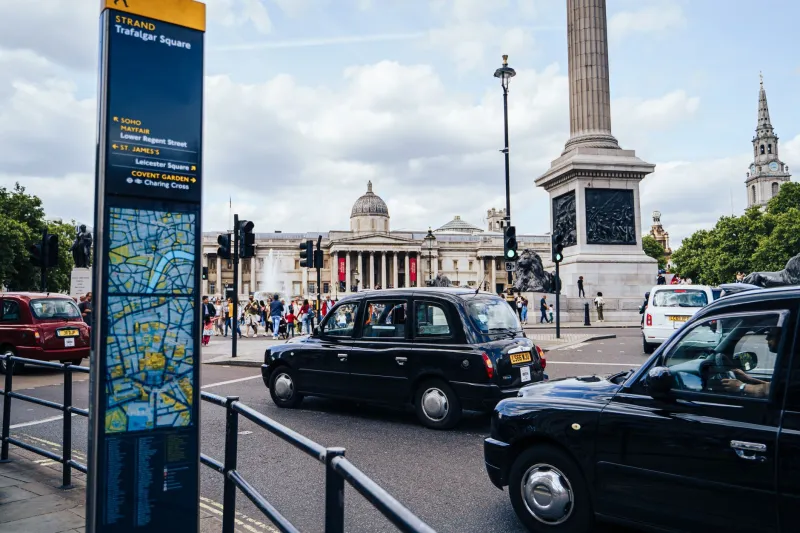
Clean air zones used to be a London problem. In 2026 they’re a British riding problem. You can leave the smoke of a city centre and hit a charge boundary before you’ve warmed the tyres, and the rules that decide whether your chop pays or passes are not written in the same language as the rules that built it.
Here at 247 Choppers we’re not here to tell you the charges are lovely. We’re here to tell you how to keep a shed-built, carb-fed, modified old thing on the road without donating a fortune to a council every time you fancy a ride into town. That starts with understanding that “clean air zone” is not one thing.
First, Stop Calling It One Thing
London’s ULEZ is the big one, but it is not the only one. Birmingham, Bristol, Bath, Bradford, Portsmouth, Sheffield, Tyneside and Oxford all have their own arrangements, and they do not all charge the same vehicles. Some schemes target vans, lorries and taxis while private cars and motorcycles slip through. Others are broader. A bike that is ignored in one city can be charged in another, and the only reliable answer is your own registration mark on the official checker.
Do not rely on pub wisdom. Do not rely on a forum post from a bloke with a different bike, a different V5C and a different postcode. Use the government’s clean air zone checker and the local council’s own page. If the result looks wrong, ring the council and get it in writing. It is boring. It is also cheaper than a penalty charge notice landing on the doormat.
The Historic Tax Class Is Your Best Friend—If It’s Real
The rolling 40-year rule is the closest thing an old chop has to a golden ticket. Once a bike is in the DVLA’s historic tax class, it often becomes exempt from clean air charges as well. But there is a catch: it has to actually be in that class. Old is not enough. MoT-exempt is not enough. A sympathetic tester is not enough. The V5C has to say what the zone’s computer expects to see.
If your bike is eligible for historic status and you have been putting off the paperwork, late 2026 is a good time to stop putting it off. Sort the tax class, check the date of first registration, and make sure the details match the machine. A historic chop with a clean V5C is a far easier proposition than a historic chop with a story.
Kit Cars, Q-Plates and Radically Altered Bikes
This is where shed-built chops get interesting. Clean air schemes tend to assess vehicles by registration, tax class and the emissions information DVLA holds—not by the age of the frame you dragged out of a barn. A radically altered bike, a Q-plate special or a kit-built machine can be judged on the newest major component or on whatever the paperwork says. That can work for you or against you.
If the V5C does not match the build, fix it before you worry about the exhaust. A bike that is historic in your head but “unknown” on the system is going to cost you money at the boundary. And if you have built something that is genuinely old but badly registered, a proper conversation with DVLA is worth more than a hundred arguments with a camera.
The Daily Cost Maths
In London, the ULEZ charge for a non-compliant motorcycle is £12.50 a day. That is not a weekly pass. It is not a one-off. Five days of commuting is £62.50 before you have bought oil, tyres or a bacon roll. Over a month it becomes a set of tyres. Over a year it becomes a donor engine.
Other zones vary, and some do not charge motorcycles at all. That is why the maths has to be local. If you are riding into a charging zone once a month for a show, pay it and get on with your life. If you are doing it every day, the charge is a signal to change the route, change the parking, or change the bike. Set up auto-pay if you are going to pay—penalty charges are more expensive than the charge itself, and they have a habit of arriving in batches.
Routes and Workarounds That Don’t Involve Breaking the Law
Some zones are small enough to skirt. Birmingham’s charging area sits inside the Middleway ring road, so riders often use the boundary roads to get around the core. Oxford’s zero-emission zone is tiny compared with London. But London-wide ULEZ is exactly that—London-wide. There is no secret free route through Greater London. If you are heading in, you either pay, park at the edge and use public transport, or choose a different destination.
Where a zone is ringed by a boundary road, use it—but check the map, not a mate’s memory. Boundaries are not always where people think they are, and a single wrong turn can put you inside the charge area. If you are going to a show, check the venue’s postcode before you book the ticket. If you are meeting mates, check where they actually are, not where they said they were.
The Shed-Built Reality Check
Clean air rules are another reason to keep your paperwork as tidy as your welding. A historic chop with the right tax class is a joy. A bitsa with a Q-plate and a vague story is a liability at every boundary. Dirty hands are fine. Dirty paperwork is expensive.
So check your bike, check your route, and check the cost before you ride. The zone will not kill your chop. Bad admin might.