The Ear Is the Cheapest Diagnostic Tool: Five Sounds That Should Stop Your Chop Dead

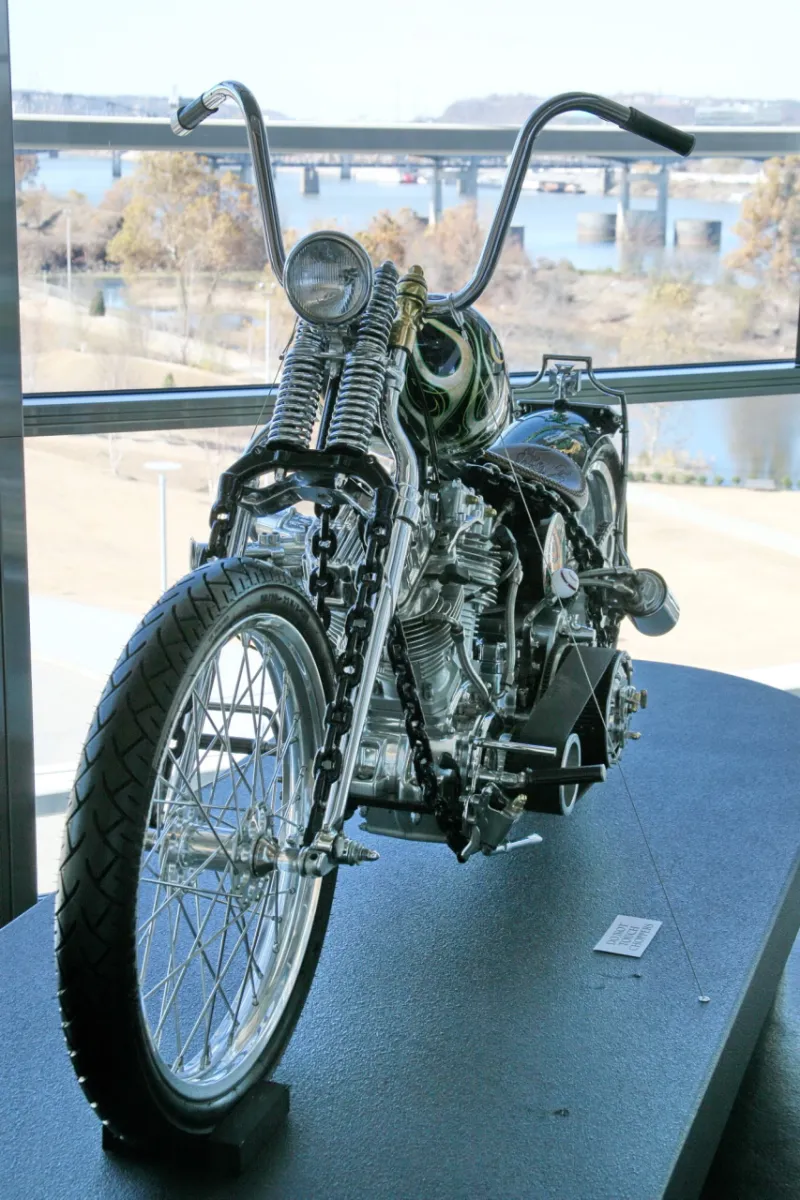
Photo: motorcycle breakdown roadside UK custom chopper engine close up, via static1.topspeedimages.com
There is a certain romance to a chop that talks to you. A bit of tappet tick, a rattle from the primary, the honest clunk of a gearbox that has seen some things — that is character. But there is a line between character and a bearing that is about to post itself through the crankcase. On a shed-built bike, ridden on British tarmac that alternates between salty soup and pothole-strewn moonscape, that line gets crossed more often than most of us would like to admit.
The ear is the cheapest diagnostic tool you own. It does not need charging, it works through gloves, and it has probably saved more engines than any torque wrench. The trick is knowing which sounds are a conversation and which are a final warning. Here are five that mean you pull over, kill the motor and start thinking clearly — because the alternative is usually a hard shoulder, a phone call and a very long wait.
1. The Primary Chain Slap That Keeps Time With the Throttle
A loose primary chain makes a rhythmic slapping or whirring noise that rises and falls with engine speed. On a cold morning, a little noise is normal — oil is thick, tolerances are sleepy, and everything wakes up slowly. But if the slap is still there when the engine is hot, or if it gets sharper when you roll on the throttle, you have a problem that will not fix itself.
On a shed-built chop, primary chain slack is often the result of a home-made adjuster, a worn shoe, or a chain that was tensioned by feel rather than by the book. The danger is not just a noisy ride. A chain that is too loose can jump teeth, chew through the inner primary case, or lock the rear wheel at precisely the wrong moment. Too tight is just as bad — it loads the mainshaft bearing and gearbox output until something gives.
What to do at the roadside: Put the bike on level ground, engine off, and check the slack at the tightest point of the chain. If you can hear the slap over the exhaust at idle, it is already past the point of a casual adjustment. If you are carrying the right spanners, a careful tighten to spec might get you home. If you are not, or if the chain is dry, rusty or missing rollers, stop. A recovery truck is cheaper than a gearbox rebuild.
2. Wheel Bearing Rumble That Grows With Speed
This one is easy to miss because it does not announce itself at idle. You hear it once you are moving — a low growl or grinding hum from the front or rear that changes pitch with road speed rather than engine revs. It might feel like a vague weave in corners, or a vibration through the bars that you blame on the road surface. On a bike with a fat front tyre and a raked-out front end, it is tempting to write off every odd feeling as “the geometry”. Do not.
Wheel bearings on a UK chop live a hard life. Winter salt, pressure washing, grit and the occasional pothole impact all take their toll. A bearing that is starting to break down can seize, and a seized front wheel bearing at 60 mph is not a character-building anecdote — it is a crash.
What to do at the roadside: Pull over somewhere safe — not the hard shoulder of a smart motorway if you can limp to a lay-by. Put the bike on its stand and try to rock each wheel side to side. Any noticeable play, roughness or grinding when you spin the wheel means the ride is over. Do not try to “nurse it home” on a bearing that is already rumbling. Call for recovery and get it on a bench.
3. The Brake Scrape That Turns Into a Grind
A light scrape from the brakes after a wet ride is normal — grit and rust on the disc face, a bit of pad drag. What is not normal is a metallic grind that continues after a few brake applications, or a scrape that pulses through the lever. On a custom chop, brake setups are often the most modified part of the bike: different calipers, home-made brackets, braided lines that were “about the right length”.
A grinding noise usually means the pads are down to the metal, a piston is sticking, or a disc is warped. Any of those will get worse fast. A sticking caliper can overheat the fluid, fade the brake or drag you to a stop. A warped disc can crack. Neither is something to diagnose at 70 mph.
What to do at the roadside: Stop somewhere safe and look at the pads through the caliper — you do not need to strip anything. If you can see metal-on-metal, or if the disc is scored blue, the bike is done for the day. Do not pump the lever and hope. Get it recovered, then check the caliper pistons, the bracket alignment and the disc runout properly in the workshop.
4. Top-End Tick That Gets Louder When Hot
Every air-cooled V-twin ticks a bit. Tappets, pushrods, valve train — it is part of the soundtrack. But there is a difference between a steady tick from cold that settles down, and a sharp clatter that appears or worsens as the engine heats up. The latter usually means valve clearances are tightening, a pushrod is bending, or oil is not getting where it needs to go.
On a shed-built chop, top-end noise is often the first sign that the oil pump is tired, the feed line is kinked, or the rocker boxes were assembled with more enthusiasm than clearance. Ignore it and you risk a dropped valve, a holed piston or a top end that suddenly needs a lot more than a gasket set.
What to do at the roadside: If the tick is accompanied by a loss of power, a smell of hot oil, or a temperature gauge heading north, stop immediately. Let the engine cool, check the oil level and look for obvious leaks or kinked lines. If the noise is new and loud, do not ride on. A top-end rebuild is expensive; a recovery is not.
5. The Deep Knock You Feel Through the Frame
This is the one that makes your stomach drop. A heavy, low-frequency knock from the bottom end — often most obvious when you blip the throttle at idle — can mean a big-end bearing is on its way out, a crank is moving, or a flywheel bolt is loosening. It is not a rattle. It is a thud, and you feel it through the pegs and the frame as much as you hear it.
On a hardtail chop with solid mounts and a tuned engine, bottom-end stresses are real. A deep knock is never a “get me home” noise. If a big-end lets go, it can lock the rear wheel or send metal through the whole engine. The difference between shutting down early and carrying on can be the difference between a bearing kit and a new crankcase.
What to do at the roadside: Pull over, stop the engine, and do not restart it to “see if it’s still there”. Check the oil for glitter on the dipstick, look for a loose engine mounting bolt, and accept that the ride is over. Call recovery, get the bike home, and start diagnosing with the engine out and the cases split. It hurts, but it hurts less than a ventilated crankcase.
Carry the Basics, and Know When to Stop
None of this replaces a proper workshop manual or a torque wrench. But a few things in your jacket or saddlebag make roadside decisions easier: a small torch, a basic spanner roll, zip ties, a length of lockwire, and a phone with recovery cover you have actually read the terms of. On a UK chop, the weather will not wait for you to finish diagnosing, and the hard shoulder is a terrible place to learn a lesson.
The real skill is not knowing how to fix everything at the side of the road. It is knowing which noises mean “adjust this when you get home” and which mean “stop now”. Ride hard, build harder — but listen first. The bike is usually telling you the truth long before the recovery driver arrives.