Crankcase Confessions: Picking a Used V-Twin That Deserves Your Shed
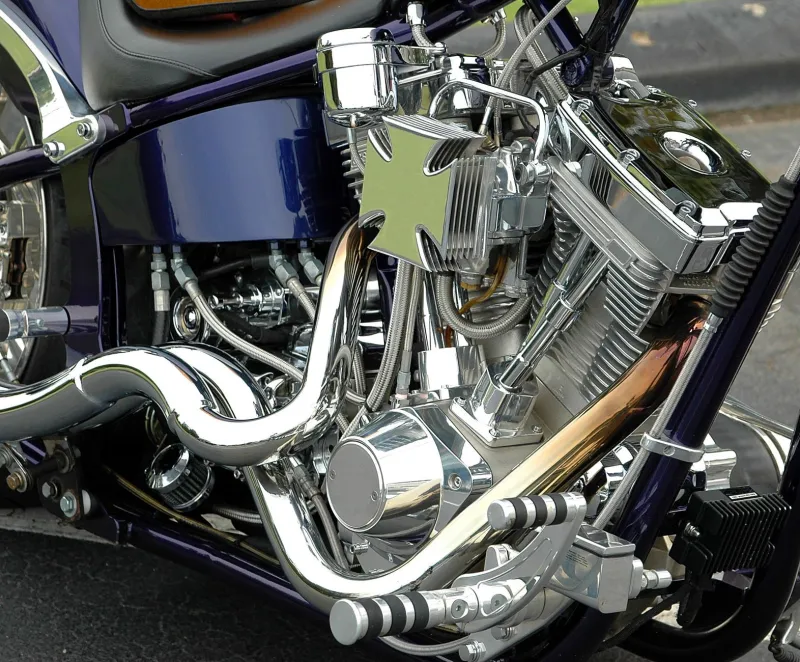
A used engine is not a bargain. It is a promise from a stranger, usually made in a wet driveway, often with a fag in one hand and a story about how it ran lovely before the project stalled. Sometimes that promise is good. Sometimes you are buying someone else's coolant-in-the-oil farewell. The difference between a donor heart and a boat anchor is not luck. It is a cold start, a compression gauge, a torch and the willingness to walk away.
Start With the Frame, Not the Bargain
Before you fall for a cheap V-twin on a pallet, work out what your chop actually needs. Engine mounts, primary drive, exhaust routing, carb or EFI, charging system and gearbox are all part of the same argument. A wonderful engine that needs a one-off primary cover and a custom exhaust is not cheap. It is a project inside a project.
Think about the spares ecosystem, too. In the UK, a common Harley Evolution Sportster motor or a well-supported Japanese V-twin will have gaskets, pistons, valves, ignition parts and a forum thread older than your kids. An orphan engine might be rare and lovely, but rare does not help when a base gasket takes six weeks and a customs charge to arrive. Buy the engine that has a manual, a parts list and at least one UK supplier who knows what you are on about.
Cold Metal Tells the Truth
Arrive early. If the seller has already warmed the engine, ask why. A warm engine hides piston slap, lifter noise, exhaust leaks and a hundred small sins. You want to feel the cases cold, check the oil, and hear it fire from stone cold. Blue smoke that clears might be valve guides or just old oil. Smoke that stays is a conversation ender. Rattle that follows the revs is worse.
If the engine is out of the bike, rotate it by hand. It should turn smoothly with no tight spot, no graunching and no horrible crunch at top dead centre. Pull the plugs if you can. A seller who will not let you pull a plug is not a seller. He is a magician, and you are the mark.
Compression and Leak-Down: Cheap Gauges, Expensive Answers
A compression gauge costs less than a gasket set. Use it. Hold the throttle wide open, make sure the battery is strong, and spin the engine properly. Compare the cylinders. A difference of more than about ten per cent is a warning. Absolute figures depend on the engine, so check the manual rather than believing a pub number. If the engine is on a bench, a leak-down test is even better. Listen at the intake, the exhaust and the oil filler. Air escaping into the crankcase is piston ring money. Air out of the exhaust is valve money. Air out of the intake is valve or cam timing money. None of it is free.
A cheap borescope is your friend here. Look down the plug holes for scoring, carbon, corrosion and signs that the engine has been sitting with water in it. Fresh paint on the outside means nothing if the bores look like a canal bed.
Crankcases, Threads and the JB Weld Confession
Cases are where bargains go to die. Look for cracks around the mounts, the primary adjuster, the oil pump and the sump plug. Check every thread you can reach. A stripped drain plug can be repaired, but it tells you how the rest of the engine has been treated. Mismatched crankcase halves are a no. Cracked cases are a no unless you enjoy machining bills. Old welding, epoxy and fresh black paint around the cases are not necessarily fatal, but they are a reason to ask harder questions.
Check the engine number against the paperwork and make sure it has not been restamped. Turn the sprocket shaft and feel for play. Inspect the clutch basket, stator and primary area for corrosion. A chop that has seen British winters can carry salt inside places you would rather not think about.
The Spares Tax
A cheap engine with no parts backup is expensive. Before cash changes hands, price up the bits you know you will need: gaskets, seals, piston rings, valves, ignition module, carb rebuild kit. Check UK stock and delivery times. Importing from the States can make sense for a rare build, but the postage, VAT and handling charges add up fast. A common engine with a tired top end is usually a better bet than an exotic engine with shiny paint and no gasket availability.
Paperwork: The Engine Number Is the Engine's Passport
For a road-going chop, paperwork matters as much as compression. Get a proper receipt with the engine number, seller's name and address, date and price. If the engine came from a complete donor bike, get a copy of the V5C and note the frame number. Run an HPI check if you can. Walk away from anything with no numbers, tampered numbers or a seller who cannot explain where it came from.
When the engine goes into your build, tell DVLA and update the V5C. Keep the receipt. Tell your insurer. A bargain engine that cannot be registered cleanly is not a donor heart. It is a sculpture with oil in it.
Rebuild or Run Away
Walk away from cracked cases, a bent crank, mismatched halves, water damage, salt corrosion and missing numbers. Rebuild with confidence when the cases and crank are good, the top end is tired, and the parts are common. Do not pay a premium for someone else's failed project. A good used engine is boring: correct numbers, clean oil, even compression, no strange noises and a parts counter that still knows its name.
Take a compression gauge, a torch, a magnet, a borescope and a rag. Keep your cash in your pocket until the engine is cold, checked and explained. The best donor engine is not the cheapest one in the ad. It is the one that gives you a straight answer before you hand over a penny.