Trust Nothing Until the Third Layby: A Shakedown Ride for a Freshly Built Chop
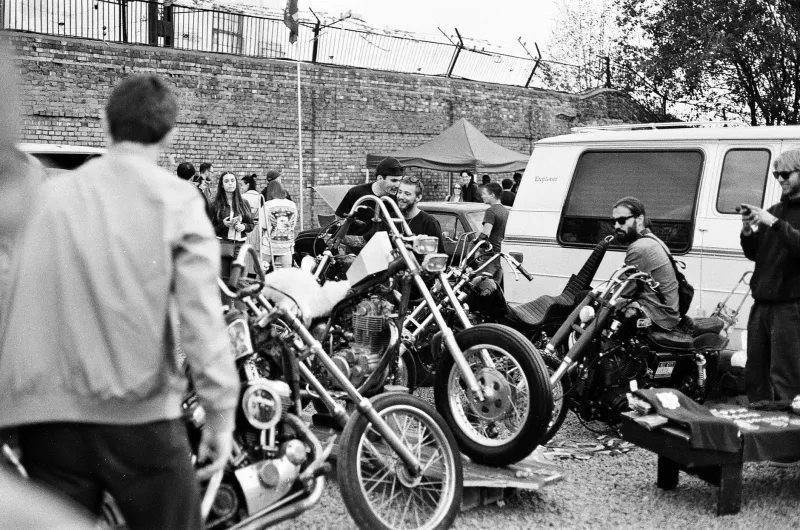
You finish a build in the shed, stand back, and allow yourself a minute of pride. Good. Have it. Then put the kettle down and remember the truth every honest spanner man knows: a fresh chop is a rumour until it has carried you home from a structured shakedown on real British roads. The first ride is not a victory lap. It is an interrogation.
The trick is to make the bike answer questions before you trust it. That means a route with enough variety to expose weak spots, a handful of deliberate stops, and the discipline to fix what you find before the next ride rather than pretending you didn't hear it.
Before the key turns: the pre-flight you actually do
Start in the shed, not at the end of the road. Fluids first: engine oil, gearbox oil where applicable, brake fluid, coolant if you've gone that way, and a fuel tap that actually shuts off. Check for weeping unions and fresh drips under the cases. If something is wet, find out what it is before heat and vibration turn a seep into a slick.
Then go round every fastener you can reach with the correct spanner and a paint pen. Mark what you've torqued. A freshly built chop will settle, and a mark lets you see movement instead of guessing. Pay attention to engine mounts, exhaust brackets, caliper bolts, axle nuts, shock or rigid-strut hardware, and anything holding the tank or seat on. Check cable routing for chafing and make sure nothing is pulled tight on full lock.
Brakes need bedding in, not blind faith. New pads and discs need a proper sequence of gentle stops, and you should know the lever or pedal feel before you leave. Tyres: pressures set cold, no release agent or oil on the tread, and a look for anything embedded. Chain or belt tension set to the builder's figure, not the vague memory of it. Lights, horn, kill switch, and battery terminals tight. If the bike has a new loom or fresh wiring, tug every connector you can see. It is easier in the shed than in the dark.
Pick a route that will rat you out
Do not point a fresh build at a motorway and hope. Pick a loop of 30 to 50 miles with a mix of 30, 40 and 60 mph roads, a few roundabouts, some broken surface, and at least one stretch where you can safely feel the brakes from speed. Include a fuel station early on and a couple of laybys you can use as inspection bays. Avoid rush hour, school run traffic, and any road with a reputation for diesel spills.
Tell someone where you're going. Take a phone and breakdown cover. This is not a pub run with mates; it is a test flight. A solo shakedown lets you listen properly, and it means you aren't tempted to keep pace with someone else while your bike is still introducing itself.
The first ten miles: ears before ego
Ride mechanically. Short-shift, vary the load, and stay off the limiter. Listen for new noises and feel for new vibrations through the bars, pegs and seat. At the first safe stop, usually within five to ten miles, do a quick walk-round. Touch the hubs and brake discs, but don't grab hot metal. Look for leaks, loose brackets, rubbed wiring, and anything that has moved. Check chain or belt tension and glance at the tyre sidewalls. If a fastener has backed out, you want to find it now.
The second stop is for heat. Let the bike cool enough to check oil level properly and look at the exhaust and engine cases for signs of overheating or fresh oil mist. Re-check the brake feel. If the lever has gone long or spongy, stop and investigate. Do not tell yourself it will come back.
The third layby is where the truth lives
By the third stop, the bike has had heat cycles, vibration, braking loads and a few real road inputs. This is where a fresh chop usually confesses. Re-torque what the manual says to re-torque after a heat cycle. Look at the paint marks you made. Check the rear wheel alignment, the axle adjusters, and the number plate bracket. Wiggle the exhaust and the pegs. Look under the tank for chafed wires and under the cases for fresh drips.
Check fuel lines and filters. Carb-fed bikes on E10 deserve a look at the float bowls and a sniff for leaks. If the fuelling is flat, surging, or refusing to settle at idle, note the conditions. Don't start twiddling carb screws at the roadside unless you have to; you'll lose the baseline. If the bike is injected, watch for warning lights and poor running once hot.
Bring it home and be brutal
On the last stretch, ride normally but stay alert. Once home, let it cool and inspect it properly. Drain nothing unless you suspect contamination, but check oil, brake fluid, tyre pressures, chain or belt tension, spoke tension if you have them, and every fastener you marked. Look for oil mist, rubbed paint, cracked brackets, loose wiring and brake dust where it shouldn't be. Make a list in three columns: safety-critical, annoying, cosmetic. Fix the first two before the next ride. Leave the cosmetic stuff for winter.
What to carry, and when to give up
A small tool roll pays for itself on the first shakedown. Take a compact socket set, hex keys, an adjustable spanner, cable ties, electrical tape, fuses, a spare master link if you run a chain, a tyre plug kit, a mini pump, lockwire, rags and gloves. Add waterproofs, because Britain. None of this is about rebuilding the bike at the roadside; it is about getting home without making a bad situation worse.
Know when to stop. A long brake lever, a fuel leak, smoke from the wiring, a loose rear wheel or oil pressure you can't explain are not character-building. Call recovery. The shed is where you fix things. The hard shoulder is where you make them worse.
A chop that survives a proper shakedown earns your trust. One that doesn't has just done you a favour by telling you early. Ride hard, build harder, but test honestly. The third layby never lies.