The Honest Handover: Selling a Shed-Built UK Chop Without Selling It Short
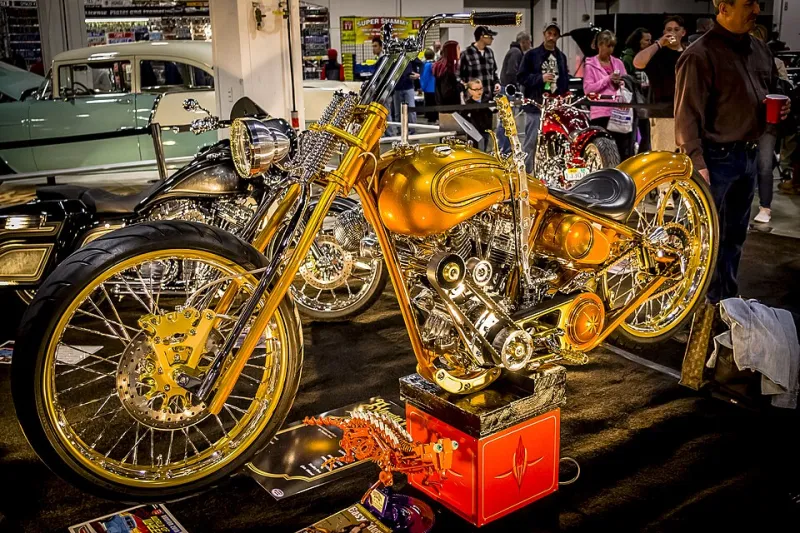
Photo: Bob P. B., CC BY 2.0, via Wikimedia Commons
A home-built chop is never just a motorcycle. It is a stack of decisions: the frame you chose, the front end you talked yourself into, the wiring you rewired twice because the first go looked like spaghetti. When you sell it, you are not simply moving metal. You are handing over a story, a parts list and a responsibility. That makes the sale trickier than shifting a standard bike. In 2026, buyers are careful, workshops are busy and every advert claims to be a one-off. Here is how to move a shed-built UK chop without underselling it or opening the gate to every dreamer with a Facebook account.
Price It Like a Builder, Not a Dreamer
Start with what the market will pay, not what the build cost you. Receipts are evidence, not a valuation. The hours you spent in a cold shed at midnight do not automatically transfer to the buyer's wallet. Look at completed sales rather than asking prices. Watch owners' groups, auction results and the better class of eBay listing. A one-off rigid with a modified frame has a smaller pool of buyers than a bolt-on custom, so price for the right buyer, not the widest crowd.
Be firm and clear. A short line such as 'price is firm, no offers before viewing' filters better than 'open to sensible offers', which mostly attracts people who think sensible means half. If you have built a budget chop, do not dress it up as a show bike. If you have spent proper money on forks, brakes and engine work, explain where it went. A buyer who understands the build is less likely to chip away at the price over a scratch on the tank.
Photos That Show the Work, Not the Mood
Photograph the bike like you are selling a tool, not a lifestyle. Clean it, then shoot it in flat daylight. Both sides, front and rear, cockpit, engine, rear tyre, chain, wiring, welds and any frame stamp you can show without giving away personal details. Include the flaws. A dented tank or a scuffed exhaust is better disclosed in a photo than discovered in your yard after a two-hour drive.
A 30-second cold-start clip says more than ten sunset shots. Show the bike starting from cold, let it idle and blip it once. Do not hide oil mist, a noisy primary or a speedo that flicks about. If the paint is rattle-can and the frame is powder-coated, say so. The right buyer will respect honesty. The wrong buyer will disappear, which is the point.
The Paper Trail Is Part of the Bike
A build folder is the difference between a project and a proper sale. The V5C should be in your name and the frame and engine numbers should match what you are advertising. Gather receipts for major components, any wiring diagram you made, geometry notes, photos of the build and details of any frame modification. If the bike needs an MoT, have it done or price it as needing one. Check the tax status and be ready to explain it.
For radically altered machines, do not pretend the paperwork is simpler than it is. If the frame has been modified, if the bike has been rebuilt around a different engine, or if a Q plate or MSVA/IVA question applies, be upfront. 'Easy registration' is a phrase that makes knowledgeable buyers walk away. A clear folder with the awkward questions already answered makes you look like a builder who knows what they are doing.
Write an Advert That Repels the Wrong Buyer
Open with what the bike is, not what you feel about it. If it is a bitsa, say so. Then list the spec: engine, frame, front end, wheels, brakes, tank, exhaust, electrics, seat and paint. Add the known faults and the reason for sale. The fastest way to attract a competent buyer is to list the things you would want to know if you were handing over your own cash.
State your terms once, politely. Viewing by appointment, cash or cleared bank transfer, no swaps, no couriers, no PayPal holding deposits. You do not need to write 'no time-wasters' in capital letters. That phrase mostly warns people that you have already had a few. A calm, specific advert does the filtering for you. If someone asks 'last price' before they have seen the bike, you already know where that conversation is going.
Test Rides, Deposits and the Handshake
A test ride is not a joyride. Ask for a valid licence and proof that the buyer is insured to ride your bike. Many policies will not cover them, and that is their problem to solve, not yours to ignore. If they cannot show cover, they do not ride. Agree a route, set a time and do not let them take a pillion. Take a deposit before the keys go anywhere, and check the bike over when it comes back.
Do not hand over the keys until the money has cleared in your account. A screenshot of a bank transfer is not money. Complete the V5C properly, write a simple receipt with the date, price, registration and both names, and keep a copy. A private sale is still a private sale, but honesty before the deal is what keeps the handshake clean afterwards.
Keep the Soul in the Handover
When the deal is done, give the buyer the build notes, the spare set of keys and any parts you have kept. Walk them through the quirks: the cold-start routine, the fuse that likes to be checked, the chain adjustment. That is how a shed-built chop keeps its soul. It does not end up as an unfinished project in someone else's lock-up because they never understood what they bought. Ride hard. Build harder. Sell straight.