Shed Against Shed: Running a Friendly UK Build-Off Without Losing Mates
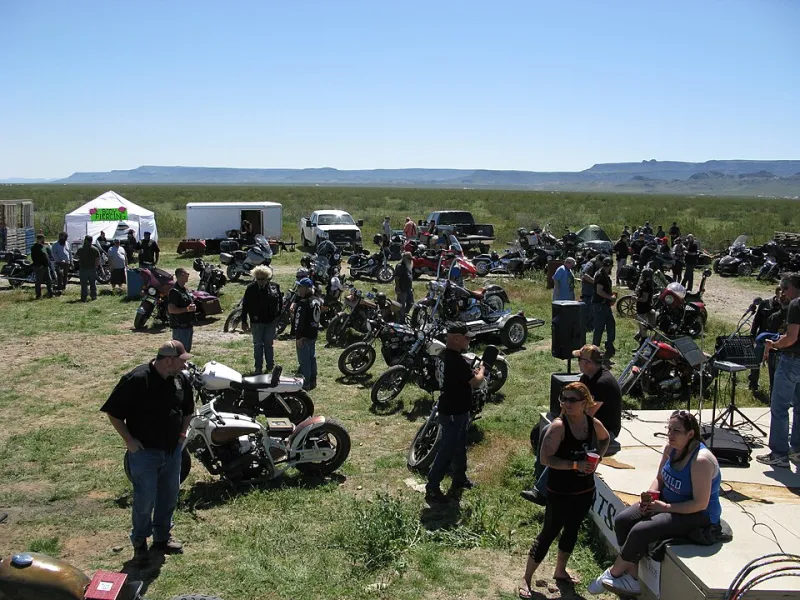
Photo: Bikebuilders, CC BY-SA 4.0, via Wikimedia Commons
There’s a particular sound in a British shed when word gets round that someone else is building something for the same deadline. It’s not quite panic. It’s the rattle of a ratchet, the scrape of a stool and a muttered promise to finally sort that rear calliper. Friendly rivalry does that. It turns a pile of parts and good intentions into a bike that has to survive a ride, a peer group and a proper look underneath.
A chop-off doesn’t need a marquee, a compere or a trophy the size of a kettle. It needs a few builders, a clear brief and enough honesty to keep the competition useful. Done right, it pushes blokes to learn new skills, finish jobs properly and build chops that are safer and sharper on UK roads. Done badly, it becomes a beauty parade for cheque-book builds and polished turds. The difference is all in the rules.
Why a bit of rivalry makes better chops
Most of us work alone. We convince ourselves that a hastily welded bracket is fine, that the chain has another season in it, that the front brake only feels wooden because of the pads. Then someone else turns up with a bike built under the same constraints and suddenly the standard rises. Friendly competition is a mirror with a deadline attached.
It also punishes talk. A build-off that ends with a real ride — not just a row of bikes outside a pub — separates the workshop philosophers from the people who actually finish things. A bike that has to tackle a B-road, hold a tickover in traffic and pass a basic spanner check cannot hide behind fresh paint. That’s good for everyone. It’s also how you end up with better-engineered chops instead of ornaments.
Set the terms before the first spanner turns
Nothing kills a friendly build-off faster than a vague brief. One man thinks he can spend three grand on billet jewellery; another thinks a donor bike from the back of the shed doesn’t count. Sort it out early, in writing, in the group chat, before anyone starts claiming that a set of second-hand wheels were “basically free”.
The basics are simple. Pick a theme or a class: budget chop, hardtail, bobber, café-chopper crossover, whatever gets people building. Set a spending cap and say exactly what counts. Receipts are not about being petty; they keep the contest honest. Allow a donor bike or a pile of autojumble parts, but agree how it’s valued. Set a finish date and a ride date. Then leave enough room for real life — work, family, weather and the usual British parts-supply nonsense.
The budget cap is the backbone
A cap isn’t there to make everyone build the same bike. It’s there to make people think. When you can’t simply buy the answer, you learn to file, fabricate, adapt and ask around. That’s where the good stuff happens. A £1,500 build-off forces blokes to repair instead of replace, to understand what they’re fitting and to make proper use of the autojumble.
It also keeps the contest accessible. The point is to get more sheds involved, not to crown the man with the biggest credit limit. Be clear about what is excluded — professional paint, machining or upholstery, for example — and whether those services count against the cap. If someone has a mate who can do a proper job for a favour, that’s fine, but it should be declared. The unwritten rule is simple: if you’d be embarrassed to explain how you got it, don’t enter it.
Ride it or hide it
A build-off should always end with a ride. Not a race, not a wheelie contest, just a decent route that asks something of the bike. Eighty miles of mixed road is usually enough. Include a few laybys for a quick spanner check, a fuel stop and a stretch of broken tarmac that will find any loose fastener. The ride is the great equaliser.
If a bike can’t complete the route, that’s not necessarily a failure — it’s information. The owner learns what needs sorting, and everyone else learns from it. But the ride should be part of the scoring. Reliability and roadworthiness matter more than a flawless paint finish. A chop that looks tough but can’t manage a cold start and a tank of fuel isn’t a finished bike; it’s a conversation piece.
Judging that blokes can respect
Keep the scoring simple and transparent. A useful split is engineering and safety, finish and detail, ingenuity, and road performance. Add a rider’s own report if you like, but don’t let the loudest voice in the pub decide the winner. Rotate judges, and make sure nobody judges their own build. Use a score sheet. It sounds formal, but it stops arguments and makes the feedback useful.
Reward solutions, not spending. A neatly made bracket, a well-sorted chain line, a clean wiring loom and a brake setup that actually works should score higher than a shiny part bolted on badly. Give a prize for the best ride or the most improved shed if you want to keep the mood generous. The overall winner matters less than the fact that everyone goes home with a list of things to improve.
The unwritten rules
No sabotage. No sniping. No turning up with a bike that has been built by a professional and pretending it came out of your own shed. If someone asks for a hand, help if you can. Lend the tool, share the knowledge, and don’t laugh at a failed attempt unless you’re also offering a solution. Keep the banter close and the criticism useful.
Safety comes first. A friendly rivalry should never push someone into riding a dangerous chop. Brakes, steering, frame integrity, tyres, lights and chain security are non-negotiable. If something looks wrong, say so plainly and privately. The whole point is to raise standards, not to see who can get away with the most questionable engineering.
Start small, finish strong
You don’t need a club, a committee or a branded banner. Start with three or four mates, one winter and one clear brief. Meet once a month, share progress, swap parts and keep the deadline real. Aim for a spring ride when the salt has washed off the roads and the bike has a fighting chance. Put the rules in a message, keep the receipts in a folder and agree what happens if a build isn’t finished.
That’s the great British chop-off in its honest form: shed against shed, idea against idea, with a ride at the end and a brew in the car park. It’s not about humiliating anyone. It’s about making each other better. And if a bit of friendly rivalry means fewer questionable builds and more well-sorted chops on British roads, then 247 Choppers is all for it. Ride hard. Build harder.